Builder’s Risk Insurance vs. Contractor’s General Liability: What’s the Difference?
with Matt Weeder
If you work in construction, you know insurance is part of the job. But understanding which policy covers what can make the difference between a protected project and a costly mistake.
Two of the most commonly confused coverages are Builder’s Risk Insurance and Contractor’s General Liability Insurance. While they often work side-by-side, they serve very different purposes. Knowing how each policy works, and who’s responsible for carrying it, can help protect your business, your project, and your bottom line.
What is Builder’s Risk Insurance?
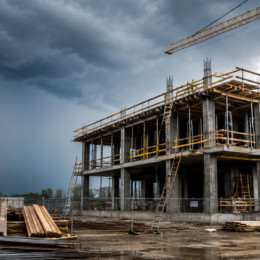
Builder’s Risk Insurance is designed to protect the construction project itself while it’s being built. Think of it as coverage for the structure, materials, and equipment tied directly to the project.
This policy typically covers losses caused by events such as:
- Fire
- Theft
- Vandalism
- Wind or storm damage
- Certain types of water damage
For example, if a storm damages a partially completed building or materials are stolen from the job site, Builder’s Risk Insurance may help cover the cost of repairs or replacement.
Because construction projects involve large investments and tight timelines, this coverage can help prevent major financial setbacks that could delay or derail the job.
What Does Contractor’s General Liability Insurance Cover?
Contractor’s General Liability Insurance protects the contractor—not the structure under construction.
This policy is designed to cover third-party claims involving:
- Bodily injury
- Property damage
- Legal expenses
- Lawsuits related to construction operations
For example, if a visitor is injured on the job site or your work accidentally damages a neighboring property, General Liability Insurance may help cover medical costs, repairs, and legal fees.
In short:
- Builder’s Risk protects the project.
- General Liability protects the contractor from liability claims.
Who Is Responsible for These Policies?
Responsibility for insurance coverage is usually outlined in the construction contract, but in many cases:
Builder’s Risk Insurance
This policy is often purchased by:
- The project owner
- The general contractor
- Occasionally the lender financing the project
Contractor’s General Liability Insurance
This coverage is typically the responsibility of:
- General contractors
- Subcontractors
- Independent trades working on-site
Each contractor involved in a project may be required to carry their own liability coverage before work begins.
Why Construction Projects Need Both
One of the biggest misconceptions in construction insurance is believing one policy covers everything. It doesn’t.
These policies are designed to work together.
Here’s a simple example:
- If a fire destroys part of the building under construction, Builder’s Risk Insurance may cover the damage.
- If someone is injured on-site and files a claim against the contractor, General Liability Insurance may respond.
Without both types of protection in place, contractors and project owners could be exposed to serious financial risk.
Protect Your Project and Yourself
Construction projects come with enough uncertainty already. Making sure you have the right insurance coverage can help you avoid expensive surprises and keep your project moving forward.
If you have questions about Builder’s Risk Insurance, Contractor’s General Liability, or what coverage makes sense for your project, the team at First State is here to help.
May 13, 2026 by First State Insurance Agency