Builder’s Risk Insurance 101
with Matt Weeder
I had a client call up recently who is a real estate investor. He is purchasing a house they plan to renovate and then add to his rental portfolio. The rehabilitation is pretty basic and he is planning to hire the subcontractors himself to handle the renovation. The question the client asked is what insurance policy do they need to cover their property during the renovation process. Does his dwelling policy cover the renovation?
In most cases like this, a builder’s risk policy is the proper policy needed to protect your investment during the renovation process. Let’s take a look.
What is Builder’s Risk Insurance?
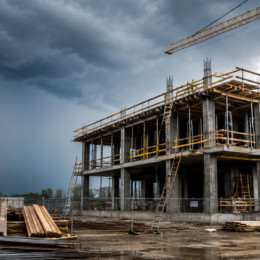
Builder’s risk insurance protects structures under construction, whether we are talking about a $20k project or a multi-million dollar project, a builder’s risk policy is going to cover fixtures and equipment from damage or loss caused by things like fire, theft, vandalism, and severe weather. Most of your standard home, dwelling, or commercial property policies are not going to cover the items that are involved in the renovation or remodel of a structure. So it’s very important you know what your policy does and does not cover.
Who Needs Builder’s Risk?
Don’t let the term “Builder’s Risk” mislead you. Individuals or entities like an LLC or S Corp, including contractors, business owners, homeowners and financial institutions are the primary candidates for builder’s risk.
- Owners
- Builders
- Contractors
- House Flippers
- Development Companies
- Investment Companies
- Retail Companies
- School Districts
A construction contract will specify whether the contractor or the project owner is required to purchase the builder’s risk. Think of it like this, if you have any financial skin in the game during the construction phase of a project, you will want to make sure there is a builder’s risk policy in place and know clearly who is responsible for purchasing the policy.
When Should a Builder’s Risk Policy be Purchased?
Ideally you will have a builder’s risk policy in place before construction begins when the contract is finalized but occasionally, that does not happen. If construction has already been started, underwriting approval may be needed. It’s best practice to talk with your insurance professional as soon as you are in talks regarding a construction or renovation project so that the right information can be gathered in a timely fashion to have your policy in place prior to construction.
What Builder’s Risk Does Not Cover?
It is just as important to know what a builder’s risk policy does not cover. A standalone builder’s risk policy does not provide coverage for workplace accidents and injuries and it does not provide liability coverage.
So, you will want to make sure the appropriate parties have these coverages in place and with sufficient limits. These details are generally spelled out in the construction contract.
Whether you are a seasoned builder with years of experience under your belt or a new house flipper looking to build a real estate portfolio, be sure to evaluate your project and consult with an insurance professional before construction begins.
Tune in next week as we dive further into Builder’s Risk to look at the types of policies that are available and what these policies cover.
April 14, 2026 by First State Insurance Agency